La Vie est Belle
The history of Pierre Frey, now in its 91st year, is the history of French decorative arts.
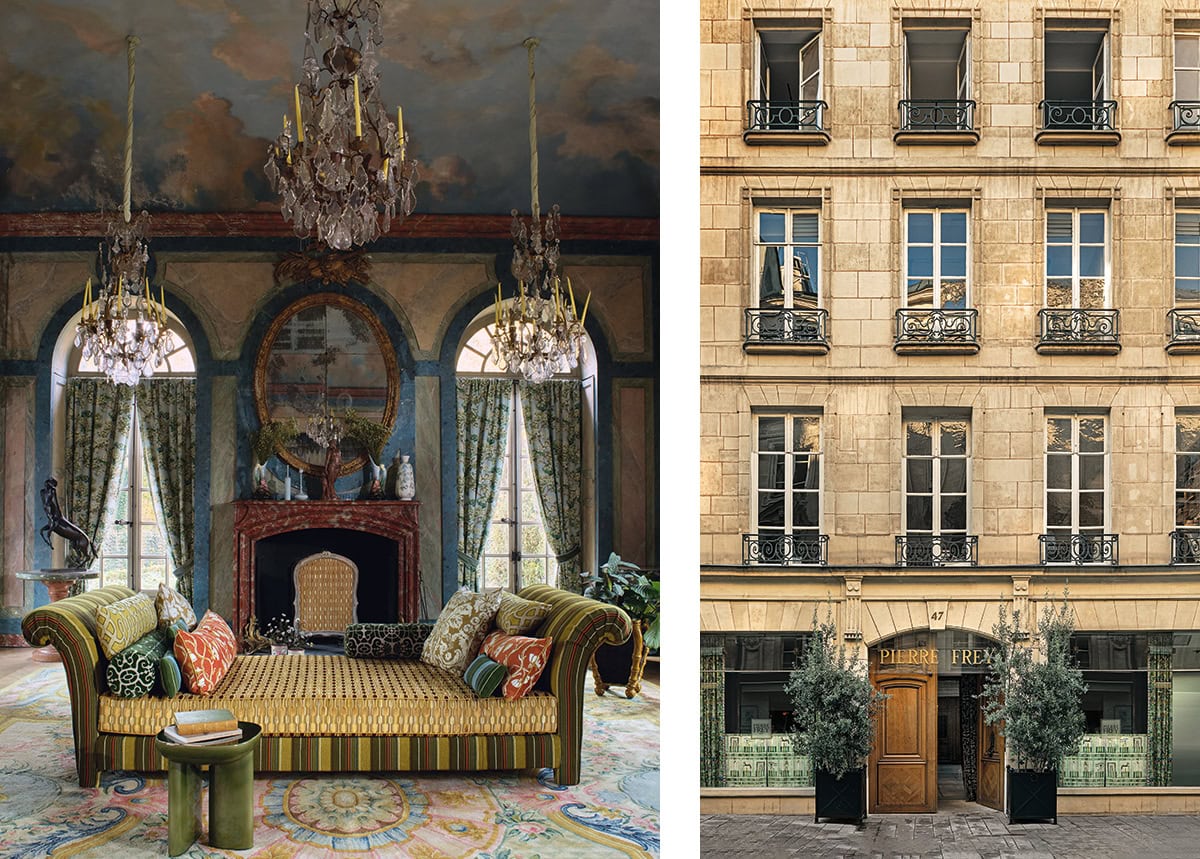
Pierre Frey’s newest collection, Jardin à la Française, celebrates the joyful exuberance of the French garden. Based on contemporary floral motifs and archival garden documents, the collection is timeless and full of whimsical allure. Photographed at the 18th century Château d’Aunoy, just an hour outside of Paris and famed for its formal English-style gardens.
Photography by Phillipe Garcia
During France’s financial crisis of 1918, 16-year-old Pierre Frey left school and took a job first as an antique furniture polisher and then as a sales rep for inner hatbands. After his service in World War I, he worked for Burger, a dealer of upholstery fabric, and in 1933 went to work managing sales for Lauer, a company later acquired by Patrick Frey. At Lauer, he met his first partner, the designer Jean Chatanay, and the two would form Chatanay & Frey. From late nights stapling fabric samples together at home, to delivering orders on his bicycle, a passion for textiles and decorative arts grew. In 1935, Pierre Frey bought out his partner, who continued to create beautiful designs for the company, and Maison Pierre Frey was born.
Today, the company’s combination of heritage, creativity, and manufacturing expertise sets it apart. Pierre Frey is not only a textile editor but also a family-owned creative house that designs, publishes, and manufactures fabrics, wallpapers, rugs, and furniture, rooted in French decorative arts culture. In 1969, Pierre’s son Patrick took over as artistic director, and the company is now led by a third generation of the Frey family: Vincent Frey is the chief operating officer and Pierre Frey (grandson to the founder) is in charge of global communications.
Pierre Frey first entered the American market in the 1950s with their New York showroom, and today, in addition to being available through other brands, they have four standalone showrooms, including their new showroom in THE MART, which opened in March.
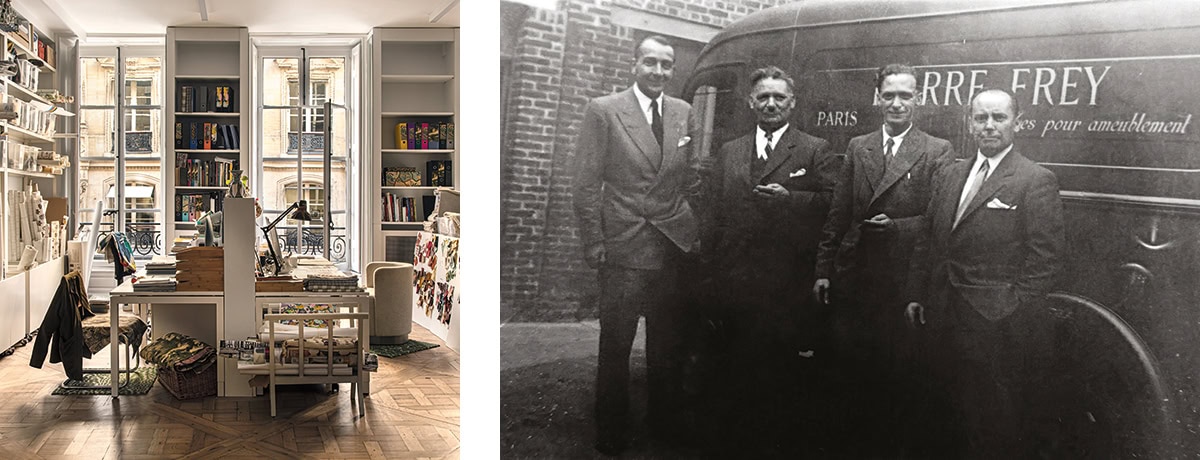
1935 – Maison Pierre Frey is born
Maison Pierre Frey was founded on January 1, 1935, at 47 rue des Petits Champs in Paris, which remains the headquarters for the maison today. Pierre Frey established his textile publishing house with the conviction that textiles are a central element of the art of living—both functional and cultural.
Photography (left) by Mattia Aquila
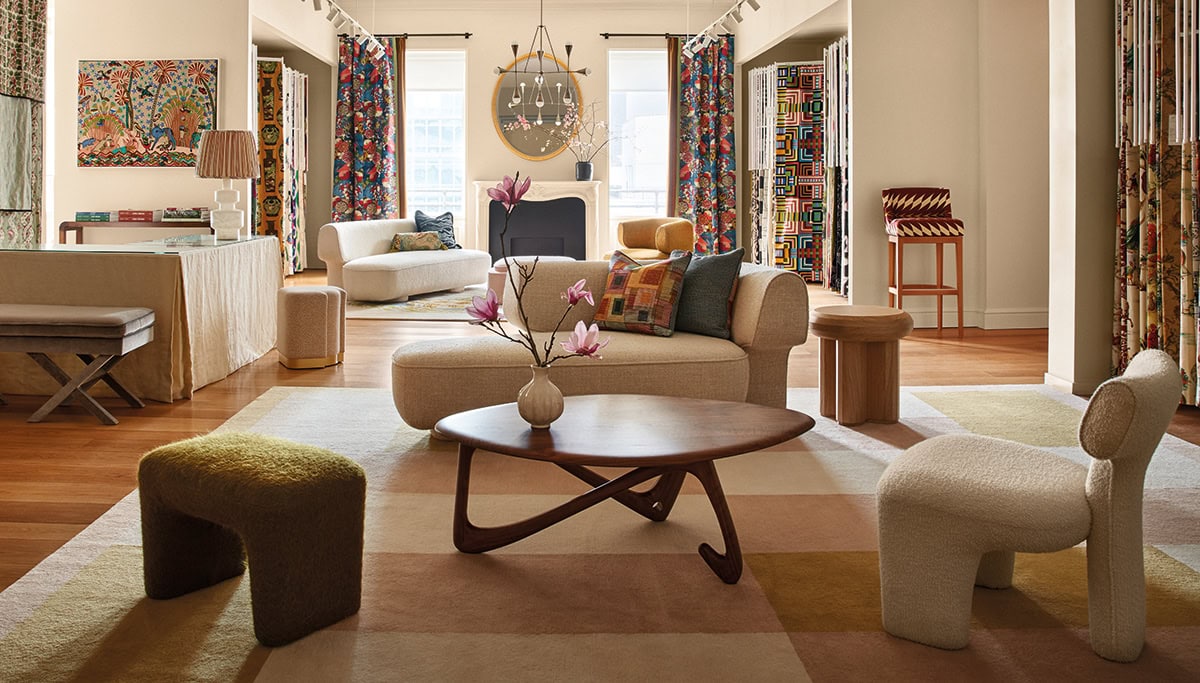
1950 – International Expansion
Following World War II, Pierre Frey set out to conquer the American market, while the maison also experienced strong growth across Europe. The company quickly established itself as one of the great French names in upholstery textiles.
Photography by Ethan Herrington
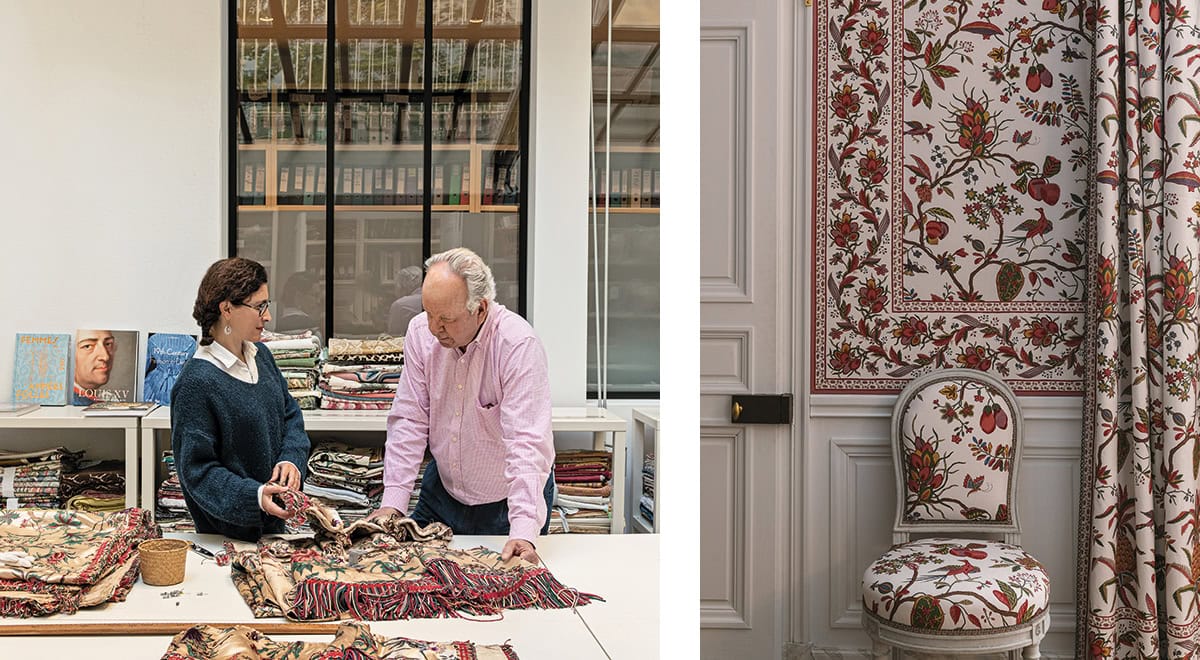
Left: 1969 – A New Impulse
Patrick Frey joined the company and later assumed artistic leadership. With a strong product vision and international outlook, he helped modernize the company by developing showrooms, strengthening communication, and building a global presence.
Photography by Ethan Herrington
Right: 1976 – The Comité Colbert
Maison Pierre Frey became a member of the Comité Colbert, the association of French luxury houses promoting excellence in craftsmanship and culture worldwide.
Photography by Phillipe Garcia
CULTURAL IDENTITY
Maison Pierre Frey is known for bold eclecticism—a mix of influences that often includes tribal and global decorative arts, 18th-century French design, contemporary art and artists, and historical textile archives. Clockwise from top right: Louis Barthélemy’s Merveilles d’Egypte collection. True Velvet by India Mahdavi. Beau Monde by Noëmie Vallerand. A restoration of the author Victor Hugo’s Hauteville House in Guernsey. Hugo was devoted customer of Braquenié, which Pierre Frey acquired in 1991. They helped to restore his Red Room with archival, historically accurate fabrics, based on photographs from Hugo’s time in the home.
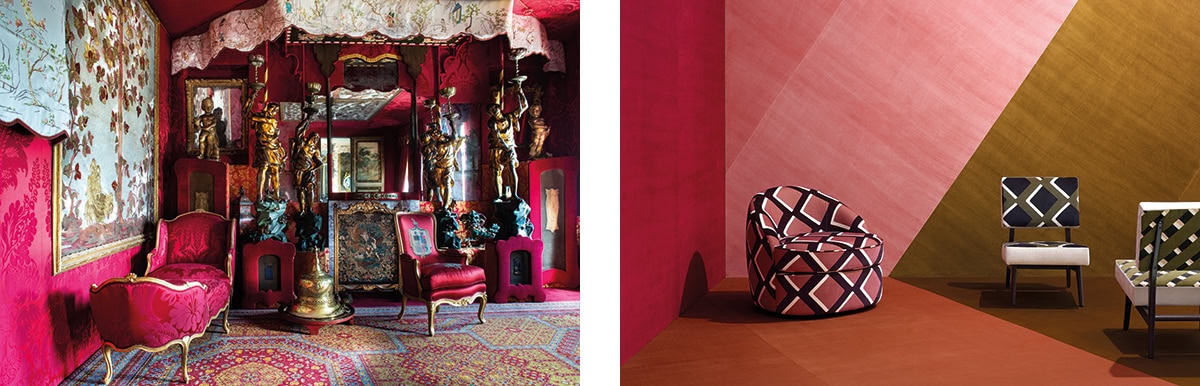
Left: Photography by Yann Deret
Right: Photography by Phillipe Garcia
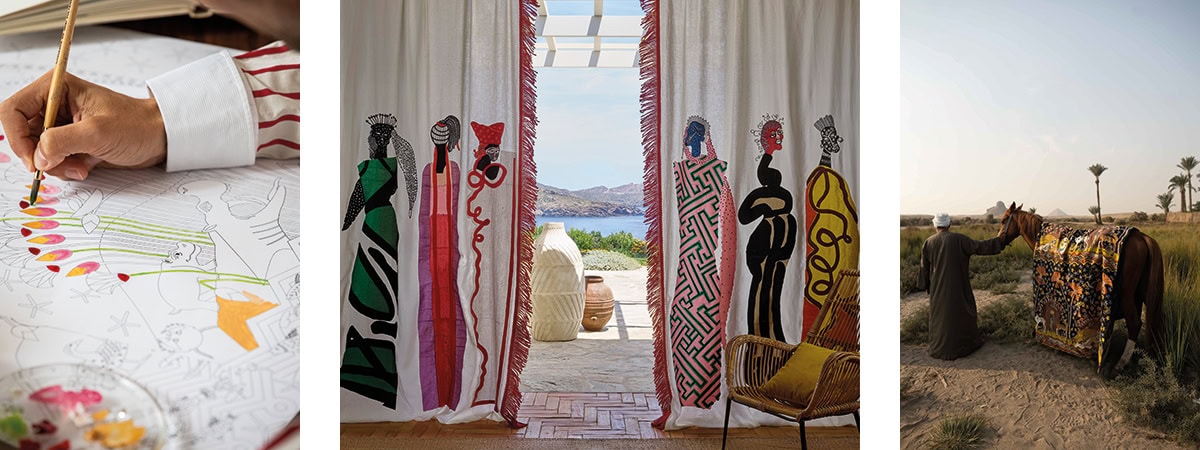
Left: Photography by Mohamed Sherif
Center: Photography by Jean-Christophe Godet
Right: Photography by Phillipe Garcia
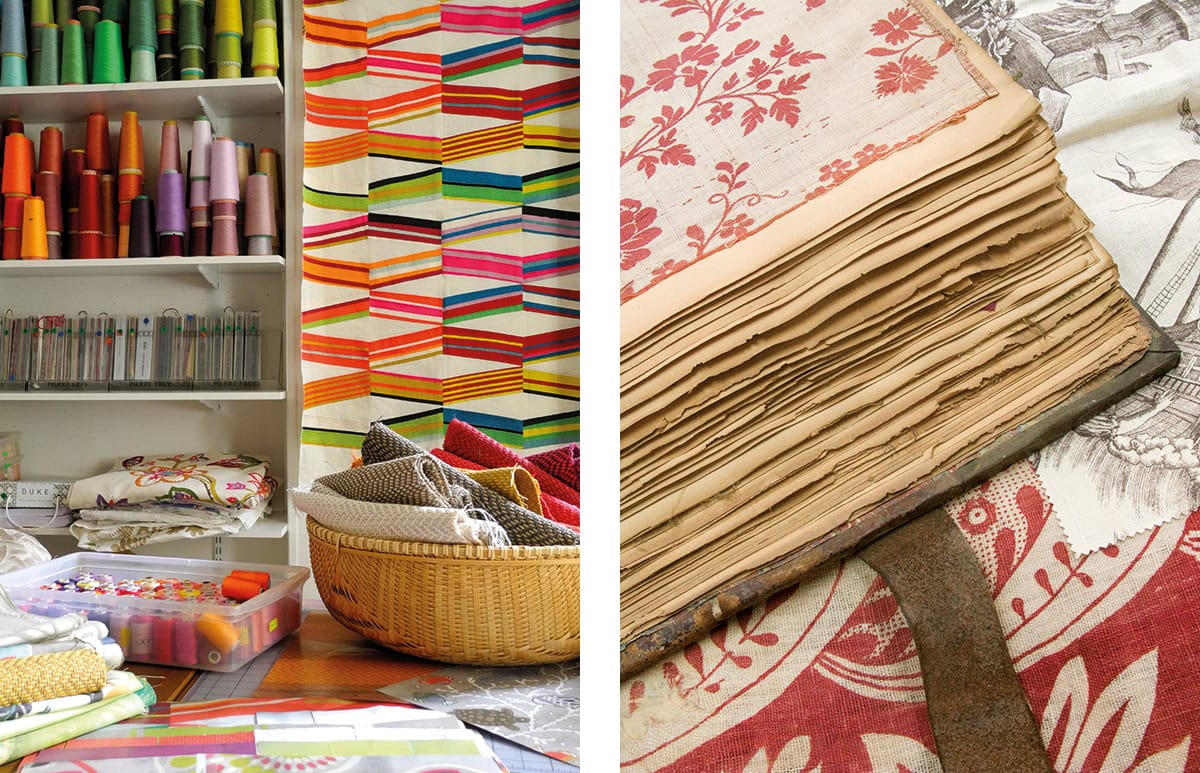
1989 – Becoming a Manufacturer
Pierre Frey acquired Denimal (Margueroy), a fabric-weaving mill in northern France and a long-standing partner since the 1950s. Specializing in wool and technical outdoor fabrics, the workshop represents a fusion of traditional craftsmanship and textile innovation. It is today recognized with the “Entreprise du Patrimoine Vivant” (Living Heritage Company) label.
Photography courtesy Pierre Frey
1991 – Preservation of Braquenié
Inspired by his father’s admiration for Braquenié fabrics, Patrick Frey acquired the historic Braquenié Maison, which was at risk of disappearing. This was a personal achievement for Patrick Frey and marked the beginning of a long-term commitment to preserving and revitalizing French textile heritage.
Photography by Mattia Aquila
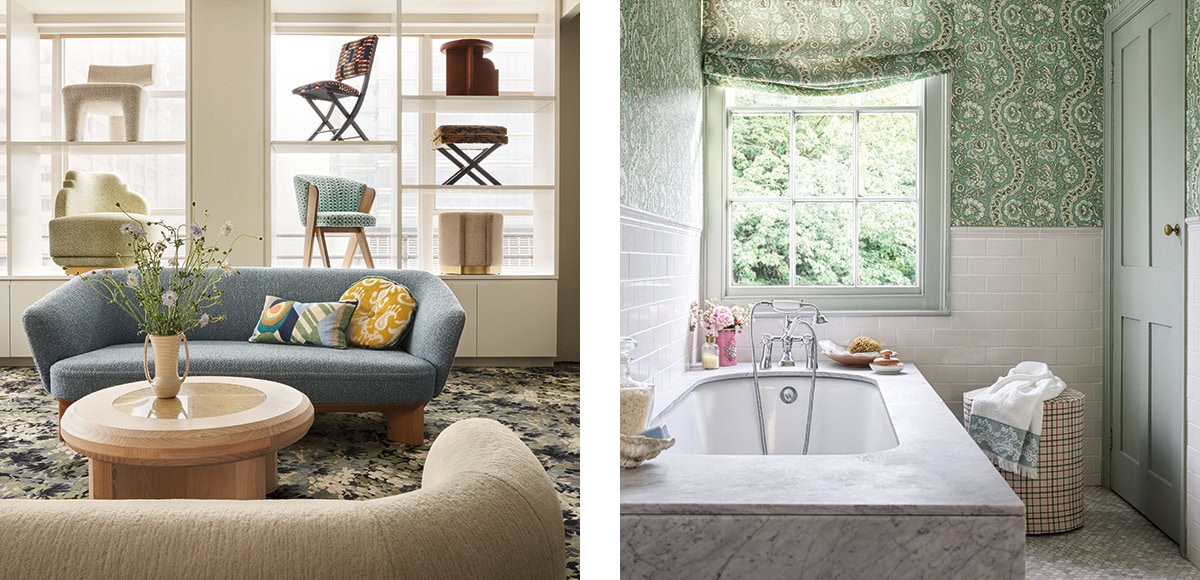
Left: 2018 – Furniture Manufacturing
To respond to increasing demand for custom furniture and limited-edition pieces, the company integrated the Rosello Manufacture in Villers- Cotterêts. This facility brings together skilled artisans dedicated to high- end furniture production and craftsmanship.
Photography by Ethan Herrington
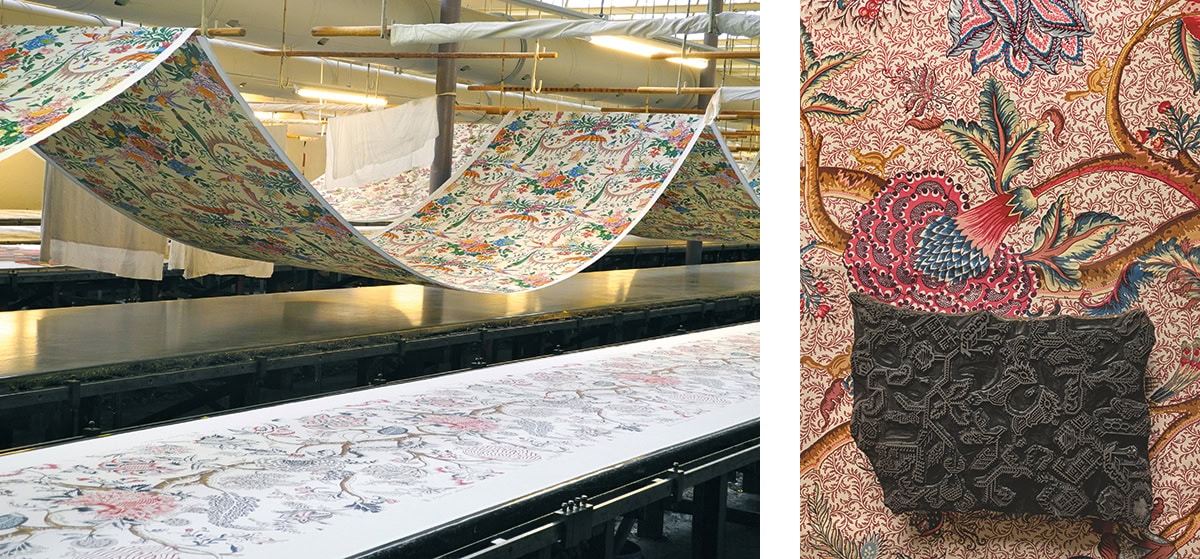
Right: 2022 – Acquisition of Thorp of London
Founded in 1971 by Bernard Thorp, Thorp of London became renowned for its hand screen-printed textiles in the United Kingdom. In 2022, Maison Pierre Frey acquired the Norfolk- based workshop to preserve this unique expertise, blending British artisanal tradition with Pierre Frey’s decorative vision.
Photography courtesy Pierre Frey
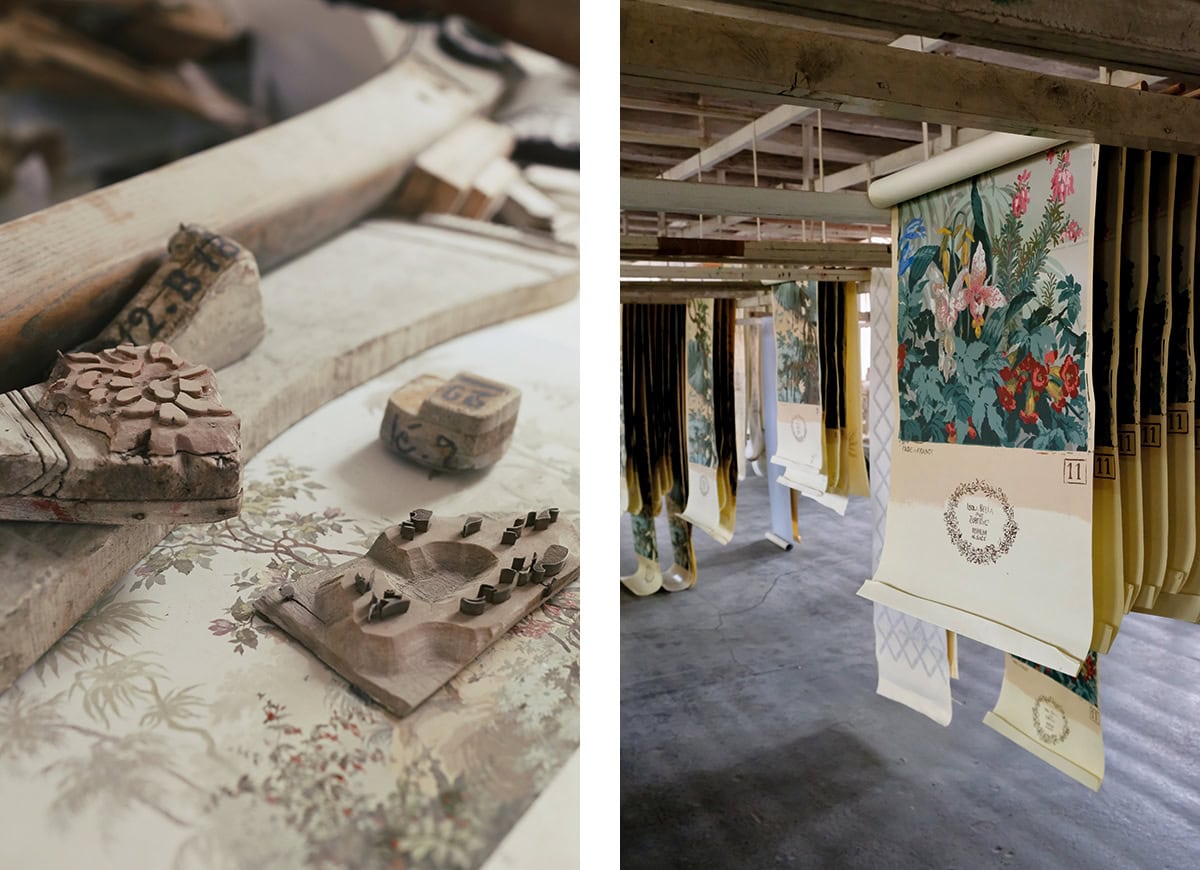
2023 – Acquisition of Zuber
Maison Pierre Frey acquired Zuber, a historic wallpaper manufacturer founded in 1790 and globally recognized for its panoramic wallpapers printed using woodblocks. The Zuber archive contains more than 130,000 engraved woodblocks, classified as historical monuments. This acquisition ensures the preservation of a two-century-old decorative heritage while supporting innovation and contemporary design.
Photography by Fanny Latour-Lambert.